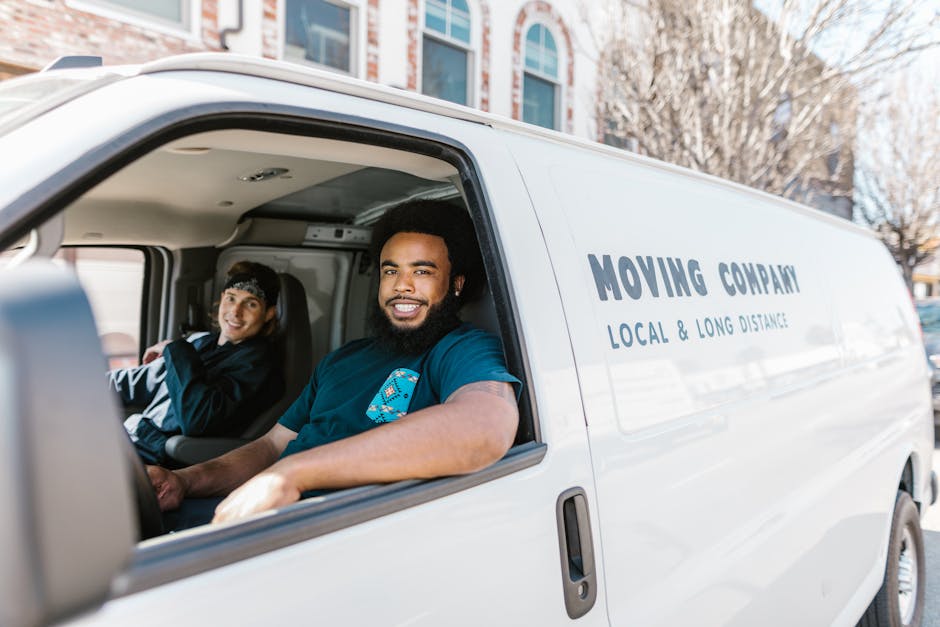
Cheam SM3 removal van tips for narrow roads: a practical guide for a smoother move
If you are moving in Cheam or the wider SM3 area, narrow roads can turn an ordinary removal day into a bit of a chess game. Parked cars, tight corners, low-hanging branches, awkward driveways, and the usual "just one more van in the street" problem all make timing and planning matter. The good news? With the right approach, a removal van can still work well on smaller roads without the stress spiralling.
This guide brings together the most useful Cheam SM3 removal van tips for narrow roads, from pre-move planning to vehicle choice, loading strategy, and safety checks. It is written for real moving days, not perfect ones. Truth be told, most moves are a little messy somewhere along the line. The trick is knowing how to keep that mess controlled.
Along the way, you will also find practical advice on choosing the right service, reducing delays, and avoiding the little mistakes that tend to cost time on narrow residential streets. If you are comparing support options, you may also find it useful to look at removal van hire, man with van, or the broader removal services available for local moves.
Table of Contents
- Why narrow-road planning matters in Cheam SM3
- How a removal van move on a narrow road works
- Key benefits and practical advantages
- Who this is for and when it makes sense
- Step-by-step guidance
- Expert tips for better results
- Common mistakes to avoid
- Tools, resources and recommendations
- Law, compliance, standards and best practice
- Options, methods and comparison table
- Case study or real-world example
- Practical checklist
- Conclusion
- Frequently asked questions
Why Cheam SM3 removal van tips for narrow roads Matters
Narrow roads change the shape of a move. On a wide, easy-access street, a van can pull up, load, and go. In Cheam SM3, especially on smaller residential lanes or roads with cars parked on both sides, that simple process can quickly become awkward. One blocked kerb, one badly timed school run, or one van that is a touch too large, and suddenly your move starts running behind.
That matters for three reasons. First, timing: a removal team may need to park further away and walk items over, which adds minutes to every trip. Second, safety: tight manoeuvres increase the chance of minor vehicle damage, dropped items, or a dodgy lift from carrying furniture too far. Third, neighbour relations. Nobody loves a moving van sitting half across a narrow road while everyone else waits. You can keep things smooth, but only if the move is planned for the street you actually have, not the street you wish you had.
It is also worth saying that narrow-road moves are not just about the van. They are about the whole chain: packing, lifting, parking, communication, and how quickly the team can adapt when the road is not ideal. For homes and flats especially, this is where a service like flat removals or home moves can be more helpful than a last-minute DIY approach. There is a lot less room for guesswork.
How Cheam SM3 removal van tips for narrow roads Works
At a practical level, the process starts before moving day. A good plan begins with measuring access: the road width, turning points, where cars usually park, whether the van can safely stop near the property, and how far the team may need to carry items. If the street is especially tight, the operator may recommend a smaller vehicle, a timed arrival slot, or a shuttle-style load where larger furniture is moved in stages.
The second part is packing for access. That means making sure boxes are compact, labelled clearly, and easy to lift. It also means breaking down furniture where possible. A wardrobe that comes apart cleanly is one thing; a wardrobe that has to be squeezed around a corner on a narrow pavement is another. Small difference, huge effect.
Then comes arrival and positioning. On narrow roads, the driver often has to think about more than just the space directly in front of the property. They may need to avoid blocking neighbours, keep escape space for other vehicles, and allow room for pedestrians. If the road is too constrained, the team may park a little further away and use trolleys, straps, and careful carrying routes to keep the move safe.
For some jobs, a dedicated man and van setup is ideal. For others, particularly larger households or office moves, a bigger vehicle or a full removal team is the better fit. The right answer depends on volume, access, and how much heavy lifting you want done on the day.
Key Benefits and Practical Advantages
Planning carefully for narrow roads does more than reduce stress. It can make the move feel noticeably more controlled from the start. Here are the main advantages.
- Less wasted time: If the van can get close enough, loading is faster and fewer trips are needed.
- Lower risk of damage: Better access planning reduces the chance of scrapes, bumps, and accidental knocks on door frames or furniture.
- Safer lifting: Shorter carry distances usually mean less strain on backs, shoulders, and hands. Simple, but important.
- Better neighbour management: Fewer blockages and less disruption make the day easier for everyone on the street.
- Smarter vehicle choice: You can match the van size to the road rather than forcing a large vehicle into an awkward space.
- Cleaner scheduling: When access is realistic, the team can plan around parking, traffic flow, and loading times more accurately.
There is also a less obvious benefit: confidence. Once you know the access plan is sensible, the whole move feels less chaotic. And let's face it, moving day already has enough moving parts without adding a narrow-road puzzle into the mix.
If your move includes valuable or bulky pieces, the benefit is even bigger. Services such as furniture removals and piano removals are often chosen precisely because specialist handling matters more when the street is tight and the margin for error is tiny.
Who This Is For and When It Makes Sense
This advice is most useful if you are moving from a terraced house, maisonette, flat, converted property, or anywhere in SM3 where the access road is narrow or parking is limited. It is also relevant if you live on a road with regular commuter traffic, school drop-off pressure, or a lot of permit-style competition for kerb space. In other words: many ordinary Cheam streets.
It makes sense if:
- your property is on a road where two vehicles cannot pass comfortably
- the nearest parking is likely to be some distance from the front door
- you are moving a few rooms' worth of furniture rather than a single item
- you want a quicker, safer move than doing everything yourself
- you need a local team that understands small-road logistics
It is also a good fit if you are moving a student room, a first flat, or a smaller household and want something efficient. A student removals service can be surprisingly useful here, because small moves often happen in streets where parking is the real problem, not the packing.
On the other hand, if the load is minimal and the road access is straightforward, you may not need a full-scale setup. A smaller van and a careful plan could be enough. The point is to match the vehicle and service to the street, not the other way around.
Step-by-Step Guidance
If you want the move to run calmly, work through the job in stages. It sounds obvious. It is also where many people rush and pay for it later.
- Check access from the street first. Walk the route from the property to the van position. Look for parked cars, tight turns, low branches, bins, garden walls, and awkward kerbs.
- Measure the larger furniture. Wardrobes, sofas, bed frames, desks, and appliances should all be checked against doorways, hallways, and stair turns. A tape measure is boring, yes, but it saves headaches.
- Decide whether items need dismantling. If a table leg can come off or a bed frame can be split safely, do it before the van arrives.
- Pre-pack with carry distance in mind. Use sturdy boxes that are not overfilled. If the van has to park further away, compact boxes are easier to move in batches.
- Reserve a clear loading area if possible. Even if formal parking control is not part of the move, planning where the van will stop matters. Sometimes the best spot is one bay away, not right outside the door.
- Tell the removal team about access details. Mention road width, parking restrictions, steps, lifts, and any awkward bends. The more realistic the picture, the better the plan.
- Load in reverse of unloading. Items needed first at the new home should be last on the van, and vice versa. That simple order prevents a lot of faffing around later.
- Build in a little time buffer. Narrow-road moves rarely go exactly to the minute. A 10-minute delay can become 30 if a delivery driver appears at the wrong time.
One small but useful point: if you are moving from a top-floor flat, keep a separate bag of essentials with you. Phone charger, keys, kettle bits, important papers, medication, a snack. Nothing glamorous. Just the things you will want when the kettle is still in the van and the room is full of boxes.
Expert Tips for Better Results
These are the kinds of tips that tend to make a visible difference on moving day, especially in tighter parts of Cheam SM3.
Choose the van for access, not just price
A bigger van is not automatically better. On a narrow road, a slightly smaller vehicle that can park properly may save more time than a larger one that has to stop too far away. If you are comparing options, look at removal truck hire alongside a smaller removal van option and think about real street access rather than capacity alone.
Keep the first load easy
Start with larger, lighter items that fit cleanly, then move into heavier boxes. This keeps the loading rhythm efficient and avoids trapping essential items under awkward furniture. No one wants to dig through three layers of stuff to find the toaster.
Use protective materials properly
Blankets, straps, stretch wrap, and corner protectors are not decoration. They matter most when items have to be carried further or turned at tricky angles. On narrow roads, every extra step is an extra chance for a knock.
Give your neighbours a heads-up
A polite note or a quick chat can stop a lot of friction. If they know the van is likely to arrive early and may need to pause for a few minutes, people are usually more understanding. Most are fine once they know what is going on. Most, not all. There is always one grumbler on every street, isn't there?
Keep an eye on loading order and balance
On a narrow-road move, balance matters because the van may need to sit slightly awkwardly while being loaded. Heavier items should be secured low and evenly distributed. If you are using a professional team, they will usually manage this, but it helps to understand the logic.
Common Mistakes to Avoid
A lot of narrow-road problems are not really "road problems". They are planning problems that show up on the road.
- Assuming the van can stop right outside. In Cheam SM3, that is sometimes true, but not something to rely on.
- Forgetting about parked cars. Streets can look accessible at 9am and become tight by 10am.
- Packing boxes too heavy. If a box needs two people to carry it on a narrow pavement, it is probably too heavy.
- Not measuring furniture first. A sofa that fits in the room may still be awkward on stairs or around an outside corner.
- Leaving everything until the van arrives. That is the classic one. It turns a planned move into a scramble.
- Choosing the wrong service type. A small man-and-van setup may be perfect for one move, but not for a full house removal. Equally, a huge vehicle may be overkill for a lighter job.
- Ignoring access details when booking. If you do not mention tight roads, the quote and vehicle choice may be less accurate than they should be.
Another easy mistake is not having a fallback. If the van cannot get directly to the door, where is the nearest safe stop? Where will items be staged? Who is directing the carrying route? Simple questions, but they make a big difference when the street is busy and the air smells faintly of damp cardboard and old rain.
Tools, Resources and Recommendations
You do not need fancy equipment for a narrow-road move, but a few practical tools help a great deal.
| Tool or resource | Why it helps | Best used for |
|---|---|---|
| Measuring tape | Checks doors, hallways, furniture dimensions, and turning space | Planning access before moving day |
| Furniture blankets and straps | Protects items during longer carries and tight manoeuvres | Large or fragile furniture |
| Wheel trolley or sack truck | Reduces manual carrying on longer paths from van to door | Boxes, appliances, and grouped loads |
| Strong packing boxes | Stacks neatly and is easier to carry in batches | General household items and smaller possessions |
| Clear labels | Makes unloading faster when the van cannot park close | Room-by-room sorting |
If you are still deciding between support levels, compare full house removals with lighter support like man with a van or man with van. The best choice often depends on access, not just the number of items.
For packing help, packing and boxes and packing and unpacking services can save a lot of time if you are working to a tight schedule. That can be especially handy when the van is only able to park at a distance.
Law, Compliance, Standards and Best Practice
For a move like this, there are a few sensible UK considerations to keep in mind. This is not legal advice, and local circumstances can vary, but the basics are straightforward.
Parking and access: If a van needs to stop on a narrow road, the driver should do so in a way that is safe and considerate to other road users. In some locations, temporary parking constraints, resident bays, yellow lines, or access restrictions may apply. It is wise to check the local situation in advance rather than assume there will be room.
Health and safety: Safe lifting, clear walkways, and proper loading are essential. This is where a company's working practices matter. A good move should reflect sensible manual handling standards, good communication, and care around stairs, kerbs, and door thresholds. You can read more about that kind of approach through the company's health and safety policy and insurance and safety information.
Service terms and payments: Always check what is included, especially if access is awkward and the job may take longer than a standard curbside load. If you are arranging a quote, reviewing pricing and quotes and the terms and conditions helps avoid surprises later.
Environmental responsibility: If you have items to clear during the move, it is worth asking about reuse and disposal practices. A move is often a good time to reduce waste and keep usable furniture in circulation. The company's recycling and sustainability page may be useful if you want to understand that side of the service.
In short: be practical, be honest about access, and make sure the moving plan reflects the street conditions rather than hoping they will somehow improve on the day. They rarely do.
Options, Methods and Comparison Table
Different move types suit different access conditions. Here is a simple comparison to help you think it through.
| Option | Best for | Strengths | Limitations on narrow roads |
|---|---|---|---|
| Removal van | Medium to small domestic moves | Flexible, practical, usually easier to position | May still need careful parking and route planning |
| Man and van | Smaller moves, single-room moves, lighter loads | Good for tight access, efficient, often simpler | May not suit full houses or bulky furniture-heavy moves |
| Full removal service | Larger homes, family moves, heavier inventories | More hands, more structure, more support | Needs careful access planning if the road is especially tight |
| Removal truck hire | Moves where capacity is the priority | Large load space | Can be harder to manage on narrow roads and in limited parking |
If your road is particularly restricted, smaller often wins. Not always, but often. A well-organised smaller move can beat a clumsy larger one every time because the van can get where it needs to go and the team can keep the pace up.
For people moving out of compact properties, house removalists may be a good middle ground if you want a bit more structure than a basic van hire option. For office settings, the same access logic applies to office removals and commercial moves, where time pressure and access issues can be even more noticeable.
Case Study or Real-World Example
Here is a realistic example from the kind of move many people in SM3 face.
A couple moving from a two-bedroom terrace in Cheam had a narrow road with cars parked on both sides. On paper, it looked manageable. On the day, it turned out that a bin collection lorry had already narrowed the route further and a neighbour's delivery van was sitting almost opposite the house. Nothing dramatic, just the usual British street chaos.
Instead of trying to force a large vehicle right to the door, the team parked at the nearest safe point and used a clear carrying line with trolleys for the heavier boxes. The sofa and bed were dismantled in advance, which made the loading much easier. The kitchen boxes were labelled well, so unloading at the new place was quick. No grand tricks. Just sensible preparation.
The move finished later than a perfect-access move would have, of course, but it stayed calm, damage-free, and manageable. That is really the aim with narrow-road removals: not perfection, just control. A little patience goes a long way when the road is tight and everyone is trying to get on with their day.
Practical Checklist
Use this simple checklist before moving day. It keeps the essentials in one place.
- Measure the largest furniture and check doorway widths
- Confirm whether the road can safely take the van size you want
- Identify the best parking or stopping point near the property
- Tell the removals team about narrow access, steps, and any awkward turns
- Dismantle beds, tables, or wardrobes where possible
- Pack boxes so they are balanced and not overloaded
- Label each box by room and priority
- Keep essentials aside for the first night
- Protect floors, corners, and furniture with suitable materials
- Allow extra time for parking, carrying, and loading
- Check service details, prices, and terms before booking
- Have a backup plan if the van cannot park exactly outside
Expert summary: The best narrow-road move is not the one with the biggest van or the fastest promise. It is the one that matches the street, the load, and the team's ability to work safely without forcing the issue.
For a move that needs a bit more support, you might also explore same-day removals if timing is tight, or storage if access constraints mean your move has to happen in stages. Those options can take pressure off the day when circumstances are messy.
Get a free quote today and see how much you can save.
Conclusion
Cheam SM3 removal van tips for narrow roads are really about preparation, honesty, and choosing the right moving setup for the street in front of you. If you measure access properly, pack with care, and match the van size to the road rather than to wishful thinking, the whole day becomes more manageable. Not flawless. Manageable, which is what matters most.
Whether you are moving from a flat, a family home, or a smaller property with limited kerb space, a thoughtful plan reduces stress and protects your belongings. And on a narrow road, that peace of mind is worth a lot. You feel it straight away when the van arrives and everything just fits a little better than expected.
If you want the move handled with a calmer, more practical approach, start by reviewing the available removals support and thinking carefully about access first. That one decision can save a surprising amount of hassle. The rest tends to fall into place from there.
Frequently Asked Questions
What is the best van size for narrow roads in Cheam SM3?
The best van size depends on the road width, parked cars, and how much you are moving. In many narrow-road situations, a smaller or medium van is easier to position safely than a larger truck.
Should I book a man and van or a full removal service?
If you are moving a smaller load, a man and van service may be enough. For a full household move, especially with furniture and stairs, a larger removal service is usually more suitable.
How do I know if my road is too narrow for a removal van?
Walk the street and check whether a van could stop without blocking traffic or hitting parked vehicles. If two cars already struggle to pass, you should assume careful planning is needed.
Can a removal van still work if it cannot park right outside my home?
Yes. The team can park further away and carry items over, though that takes more time. Good packing and clear planning make this much easier.
What should I tell the removals company before moving day?
Give them the road type, parking situation, any steps or lifts, and whether there are tight turns or low branches. The more accurate the information, the better the plan.
Are narrow-road moves more expensive?
They can be, depending on the extra time, distance to carry items, or vehicle adjustments needed. It is sensible to ask for a tailored quote rather than assume a standard price will fit.
What items should I dismantle before the van arrives?
Anything bulky that can be safely taken apart, such as bed frames, some tables, and certain wardrobes, should be dismantled in advance where possible. That usually speeds things up a lot.
Do I need to reserve parking for a removal van in Cheam SM3?
That depends on your street and local parking arrangements. Even if formal parking control is not needed, you should still plan the safest and least disruptive stop point for the van.
How can I make loading faster on a narrow road?
Use compact, labelled boxes, keep walkways clear, dismantle furniture in advance, and stage items close to the exit. Every small shortcut helps when the van is not right at the door.
What if there are parked cars blocking the street on moving day?
That is common. Build a fallback plan with the removals team so they know where to stop if the ideal space is taken. A flexible plan is usually better than a perfect one that never happens.
Is storage useful if access is especially tight?
Yes, sometimes. If the move needs to be split into stages or if access issues make the timing awkward, temporary storage can make the whole process more manageable.
How early should I book a removal van for a narrow-road move?
As early as you reasonably can, especially if you need a specific vehicle size or a weekend slot. Narrow-road moves benefit from extra planning time because access details often take a bit of checking.
If you are still weighing things up, take your time, measure properly, and ask the right questions before booking. A calm move starts long before the van arrives, and that is especially true on a tight Cheam street.